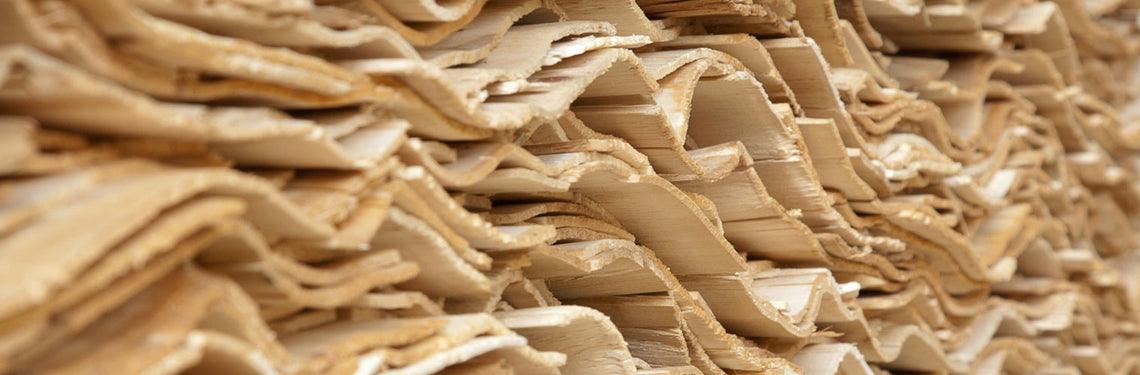
Our Supply Chain Journey
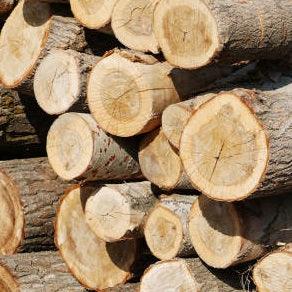
Plantation Origin
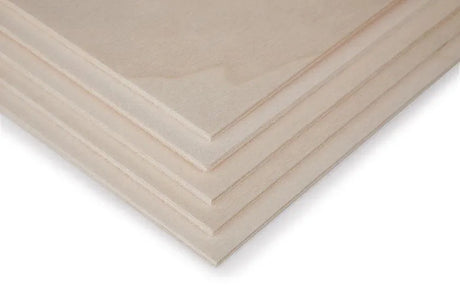
Sustainably sourced timber from certified plantations
Manufacturing
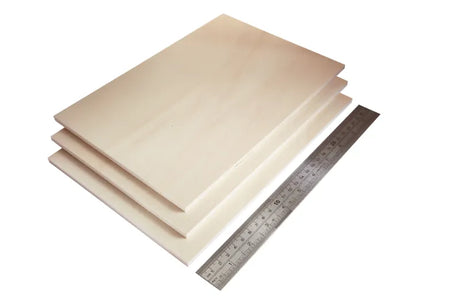
Precision manufacturing with quality controls
Freight to Australia
Efficient shipping with carbon tracking
Warehouse & Distribution
Local storage and rapid delivery
Use Phase
Long-lasting products in your projects

Frequently Asked Questions
What makes plywood sustainable?
What makes plywood sustainable?
Plywood can be considered more sustainable when it is sourced from certified plantations, manufactured with controlled emissions, designed for long service life, and supported by traceable supply chains. Sustainability also depends on how the product is used, transported, and disposed of at the end of its life.
Is FSC certification enough?
Is FSC certification enough?
Certification from organisations such as Forest Stewardship Council or Programme for the Endorsement of Forest Certification is an important starting point, but it is not the only factor. Certification reduces sourcing risk, however documentation and supplier transparency verification still matter.
Is imported plywood environmentally friendly?
Is imported plywood environmentally friendly?
Imported plywood carries transport emissions due to international freight. However, environmental performance should also consider durability, manufacturing standards, responsible forestry practices, and expected lifespan. In some cases, a longer-lasting imported panel may provide better lifecycle value than a lower-grade alternative that requires early replacement.
Are low-formaldehyde panels safer indoors?
Are low-formaldehyde panels safer indoors?
Low emission plywood may help to improve indoor air quality, particularly in enclosed spaces such as homes, offices, commercial and residential properties. Products meeting recognised emission standards such as E0 or E1 are generally preferred for interior applications where air quality is important.
Can plywood be recycled in Australia?
Can plywood be recycled in Australia?
Plywood recycling is limited in Australia because veneers are bonded together with adhesives. While large-scale closed-loop recycling is not common, plywood can often be reused, repurposed, or recovered for energy before landfill becomes necessary.
How do I request sustainability documents?
How do I request sustainability documents?
If you require certificates, emissions reports, or technical data sheets, check our Knowledge Base or contact the Ply Online team. Documentation availability may vary by product and supplier.
Waste, Reuse & End-of-Life Considerations
Reduce Waste
Reuse Materials
Responsible Disposal
Manufacturing & Adhesives
Plywood is made by bonding layers of timber veneer together using adhesives. The type of adhesive used affects durability, moisture resistance, emissions, and intended application.
Common adhesive systems include:
Urea-Formaldehyde (UF)- Commonly used for interior plywood. Cost-effective and suitable for dry applications, but may carry higher emission levels compared to exterior-grade systems.
Phenol-Formaldehyde (PF)- Typically used for structural, exterior, or marine-grade plywood. Known for strong moisture resistance, durability, and stable long-term performance.
Melamine-Urea (MU)- Often used where improved moisture resistance is required while maintaining a cleaner appearance and balanced performance.
Bio-Based Adhesives- Emerging alternatives derived partly from renewable materials. These remain limited in commercial plywood production and are not yet widely adopted at scale.
In particular, lignin is a renewable and environmentally friendly material that is widely found in plants and trees across the globe. It typically makes up about 20–30% of wood and, together with cellulose, forms the structural framework of plant cell walls. Acting as a natural binder, lignin holds wood fibres and cells together, providing the strength and rigidity that allow trees to grow upright and remain stable.
Soy-based glue plywood uses soy flour combined with proprietary resins in place of formaldehyde-based adhesives. It is often labeled as NAF (No Added Formaldehyde) or NAUF (No Added Urea-Formaldehyde), indicating very low VOC emissions and making it a safer choice for indoor air quality.
Adhesive selection should always match the intended application.
The glue system used in plywood plays a major role in how the panel performs over time, particularly when exposed to moisture, humidity, or changing environmental conditions.
Interior-grade plywood is typically manufactured using adhesives designed for dry, enclosed environments. These panels are commonly used for cabinetry, furniture, wall linings, and internal joinery where moisture exposure is limited.
Exterior-grade plywood uses more durable adhesive systems designed to withstand humidity, weather exposure, and structural movement. These panels are suited to outdoor applications, construction, transport flooring, and environments where moisture resistance is essential.
Choosing the correct glue bond is important. Using interior plywood in damp or exposed conditions can lead to premature failure, delamination, or reduced lifespan.
All our products meet strict formaldehyde emission standards. We stock E1 and E0 rated panels, ensuring safe indoor air quality. Our commitment to low-emission products protects both your health and the environment.
Plywood adhesives can release small amounts of formaldehyde, making emission classification an important consideration for indoor environments and long-term air quality.
Common emission categories include:
E1 (0.1 ppm) - A widely accepted European standard for low formaldehyde emissions, commonly used across interior plywood products.
E0 (<0.05 ppm) - Typically refers to very low emission levels, often preferred for sensitive indoor applications such as homes, schools, and joinery.
EN Testing Standards - European testing methods used to measure emissions under controlled laboratory conditions.
Emission ratings help compare products, but testing methods and definitions may vary between markets. Verified test reports provide greater clarity than general “low-emission” claims alone.
Many European plywood mills operate under strict manufacturing and environmental regulations that influence product quality, emissions control, and supply chain transparency.
These standards often include: controlled production processes, consistent veneer grading and panel construction, environmental compliance requirements, factory-level emissions monitoring, and technical testing and documentation
European manufacturing standards are typically supported by traceability systems and independent certification frameworks, helping provide greater consistency across production.
Our European-manufactured plywood adheres to EN 636-1 and EN 636-2 standards, ensuring consistent quality, dimensional stability, and performance.

Need Technical Documentation?
Access certificates, emissions reports, and product specifications through our Knowledge Base.
Our Products
View all-

Ply Online
Premium Italian Poplar Plywood AB/B Laser Cut 3mm
From $22.0Unit price$0.0 /UnavailableIn stock (411 units) -

Ply Online
Premium Italian Poplar Plywood AB/BB Laser Cut 6 mm (5 plies)
From $5.0Unit price$0.0 /UnavailableIn stock (188 units) -
Sale
Ply Online
Premium Italian Poplar Plywood AB/BB Laser Cut 12 mm
From $23.0Unit price$0.0 /UnavailableIn stock (136 units) -
 Sale
SalePly Online
Riga Mel White Melamine Baltic Birch Plywood
From $57.0Unit price$0.0 /UnavailableIn stock (378 units) -
 Sale
SalePly Online
Okoume Plywood B/BB 4mm, 3 plies, for laser cutting
From $14.0$19.0Unit price$0.0 /UnavailableIn stock (113 units) -
Sale
Ply Online
Premium Italian Poplar Plywood AB/BB Laser Cut 9 mm (5 plies)
From $20.0Unit price$0.0 /UnavailableIn stock (110 units) -
Ply Online
Italian Poplar OSB3 18x1250x2500mm Sanded
$109.0Unit price$34.88 / m2UnavailableIn stock (111 units) -
Sale
Ply Online
Premium Italian Poplar Plywood AB/BB Laser Cut 15 mm (7 plies)
From $32.0$37.0Unit price$0.0 /UnavailableIn stock (103 units)